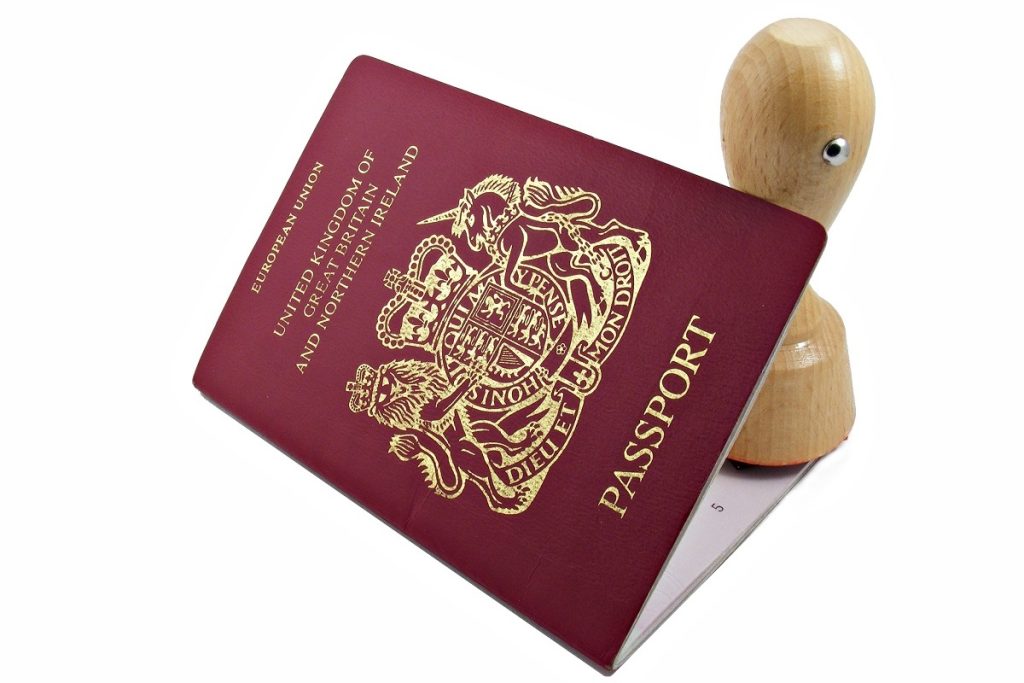
Achieving Indefinite Leave to Remain (ILR) is a significant milestone on your journey to making the UK your permanent home. It grants you the right to live, work, and study in the country without time restrictions. However, for many, the journey does not end there. The final and most secure step is to become a British citizen, a status that provides a sense of belonging and a host of rights and privileges that ILR does not. British citizenship is the gateway to a British passport, and with it comes the ultimate freedom of movement and protection from changes to immigration rules. This article will serve as your guide to this final, life-changing step, outlining the requirements and the process with clarity. Our role at JRI is to help you navigate this transition, providing the expertise and support needed to secure your place in the UK for good.
Introduction to British Citizenship After ILR
The Transition from Permanent Residence to Citizenship
Indefinite Leave to Remain (ILR), often referred to as ‘settled status’, grants you permanent residence. You are free from immigration time limits and can live and work in the UK without restriction. However, your status is still technically conditional. For example, you can lose your ILR if you are absent from the UK for more than two consecutive years. British citizenship, or naturalisation, is a completely different legal status. It makes you a national of the UK, with all the rights and responsibilities that entails. It is a commitment to the country and offers a level of security and permanence that ILR simply cannot match.
Why This Step Matters for Your Future in the UK
The benefits of becoming a British citizen extend far beyond holding a passport. While ILR offers stability, citizenship provides absolute security. You can live and work in the UK without any immigration restrictions. A British citizen cannot be deported, and their status is not dependent on their continuous residency. You also gain the right to vote in general and local elections, and the right to stand for public office, allowing you to fully participate in the UK’s democratic process. This transition is not just a legal formality; it is a profound step for those who wish to fully integrate into British society and ensure their future is not subject to potential changes in immigration law.
Eligibility Criteria for Naturalisation as a British Citizen
The 5-Year Residency Rule for ILR Holders
To apply for naturalisation, you must meet a strict continuous residency requirement. For most applicants, this means you must have lived in the UK for at least five years. During this period, you must not have been absent from the UK for more than 450 days in total. Additionally, you must not have been absent for more than 90 days in the 12-month period immediately preceding your application. If you are married to or in a civil partnership with a British citizen, the qualifying period is reduced to three years, with a maximum absence of 270 days in that time, and no more than 90 days in the final 12 months.
The Home Office will scrutinise your travel history carefully, and you must provide a detailed list of all absences. It is essential to calculate these dates accurately before you apply.
The Knowledge of Language and Life in the UK Requirement
To demonstrate your commitment to a future in the UK, you must satisfy the Knowledge of Language and Life in the UK (KoLL) requirement. This has two components:
- The Life in the UK Test: This is a computer-based test consisting of 24 multiple-choice questions about British customs, traditions, laws, and history. You must get at least 75% of the questions right to pass. The test is a mandatory part of the application for most adults.
- English Language Proficiency: You must prove your ability to speak and listen in English at a B1 CEFR level or higher. This can be done by passing an approved English language test or by holding a degree from a university that was taught in English.
- You are exempt from both requirements if you are under 18 or over 65 years old. You may also be exempt from the English language test if you are a national of a majority English-speaking country.
The “Good Character” Requirement
The “good character” requirement is a crucial aspect of the application. The Home Office must be satisfied that you have respected the law and upheld your civic responsibilities during your time in the UK. The factors they consider are broad and include:
- Criminal convictions: Serious or recent convictions will likely result in a refusal.
- Immigration history: Any breaches of immigration law, such as a period of overstaying, can be a major issue. Recent changes on February 10, 2025, specify that applicants who have entered the UK illegally will “normally” be refused citizenship, regardless of how long ago it happened. This is a significant policy shift.
- Financial soundness: The Home Office will look at issues like significant debt, a history of failing to pay taxes, or bankruptcy.
- Deception and dishonesty: Any past deception in dealings with the government, such as making false claims for benefits or on previous visa applications, will be considered.
- This is a complex and highly subjective area of law, and any potential issues should be discussed with a legal expert before applying.
The Role of JRI in Verifying Your Eligibility
Given the numerous and strict eligibility criteria, it is easy to make a mistake that could lead to a refusal and the loss of your application fee. Our legal experts at JRI can conduct a comprehensive initial assessment to confirm you meet all the criteria before you start your application. We will review your residency, your travel history, and any potential good character issues, providing you with an honest and accurate assessment of your chances of success. This initial check is a small but vital investment that can save you significant time and money in the long run.
The Application Process for Naturalisation
Preparing Your Application: Required Documents
A successful application is built on a strong portfolio of documents. You will need to gather a clear checklist of essential items, including:
- Your valid passport and any old passports.
- Your Biometric Residence Permit (BRP) card.
- Proof of your ILR or settled status.
- Your “Life in the UK” test pass notification.
- Your English language test certificate or other proof of proficiency.
- Proof of address for the past five (or three) years, such as utility bills, council tax statements, or tenancy agreements.
- Your marriage certificate if applying under the 3-year rule.
- It is crucial that any documents not in English are accompanied by a certified translation.
The Application Form and Biometrics Appointment
The application for naturalisation is completed online via the government website. The form is detailed and requires you to provide a complete history of your residency and a full list of your absences from the UK. Once you have submitted the form and paid the fee, you will be directed to book a biometrics appointment at a UK Visa and Citizenship Application Services (UKVCAS) centre. At this appointment, your fingerprints and photograph will be taken, and your documents will be submitted or scanned if you haven’t uploaded them beforehand.
The Citizenship Ceremony
The final, celebratory step of the process is the citizenship ceremony. If your application is successful, you will receive an invitation to attend a ceremony at your local council. At the ceremony, you will take an oath or affirmation of allegiance to the UK and pledge to respect its rights, freedoms, and laws. You will then receive your official Certificate of British Citizenship. This is a formal and memorable event that marks your new status as a British citizen.
Including Your Family in the Citizenship Application
The Process for Spouses and Partners
If you are applying for citizenship as an ILR holder, your spouse or partner may have a different set of rules. They may be eligible to apply after a three-year continuous residency period, provided they have also held ILR for at least one year. They must meet all other criteria, including the English language and “Life in the UK” test and the “good character” requirement. The applications for each person must be submitted separately, but they are often processed in a coordinated way.
The Process for Dependent Children
Children under the age of 18 do not apply for naturalisation; instead, they are “registered” as British citizens. The process is different and does not require them to pass the “Life in the UK” or English language test. The eligibility for a child to be registered depends on when and where they were born and their parents’ immigration status at the time. A child born in the UK to an ILR holder, for example, is often automatically a British citizen from birth. A child born outside the UK to a parent who is a British citizen “by descent” can also be registered.
Benefits of Shared Citizenship for Families
When all members of a family hold British citizenship, the benefits are immeasurable. The entire family can travel together on British passports, enjoying the same freedom of movement and consular protection. It provides a shared sense of identity and security, and it means the family’s future in the UK is permanent and protected.
The Benefits of a British Passport
Freedom of Movement and Residency Rights
With a British passport, your residency rights are absolute. Unlike ILR, which can be lost if you leave the UK for more than two years, a British citizen has the unrestricted right to live in the UK and can leave for any period of time without losing their status. This provides unparalleled freedom and security.
The Right to Vote and Stand for Public Office
As a British citizen, you gain the full civic rights of a UK national. This includes the right to vote in all elections and the right to stand for public office, allowing you to have a voice and a hand in the governance of the country you now call home.
Access to Consular Assistance
When you travel abroad, a British passport gives you the security of being able to seek help from British embassies and consulates in case of an emergency, lost documents, or a legal issue.
Legal Expertise and Support from JRI
How JRI’s Experts Can Assist You
Applying for British citizenship is a detailed and often complicated process. Our legal experts at JRI can provide assistance throughout the entire process. We will:
- Conduct an initial eligibility assessment to confirm your residency, travel history, and “good character.”
- Help you gather and organise all the necessary documents and evidence.
- Guide you through the online application form, ensuring all information is accurate.
- Provide advice on the process for including family members.
Our Commitment to Inclusive and Transparent Legal Services
We are committed to providing a transparent and supportive service. Our legal experts will give you clear, jargon-free advice, ensuring you understand every step of the process and all the costs involved. We believe that everyone’s journey to citizenship is unique, and we provide an inclusive service that supports you every step of the way.
The Importance of Professional Guidance for a Successful Application
Given the complexity and the significant cost of a naturalisation application, the value of professional guidance cannot be overstated. A refusal can be costly and can damage your chances of a successful re-application. Our expertise ensure that your application is complete and accurate from the start, dramatically reducing the risk of refusal or delays. We are here to provide you with peace of mind and help you take this final step to becoming a British citizen.