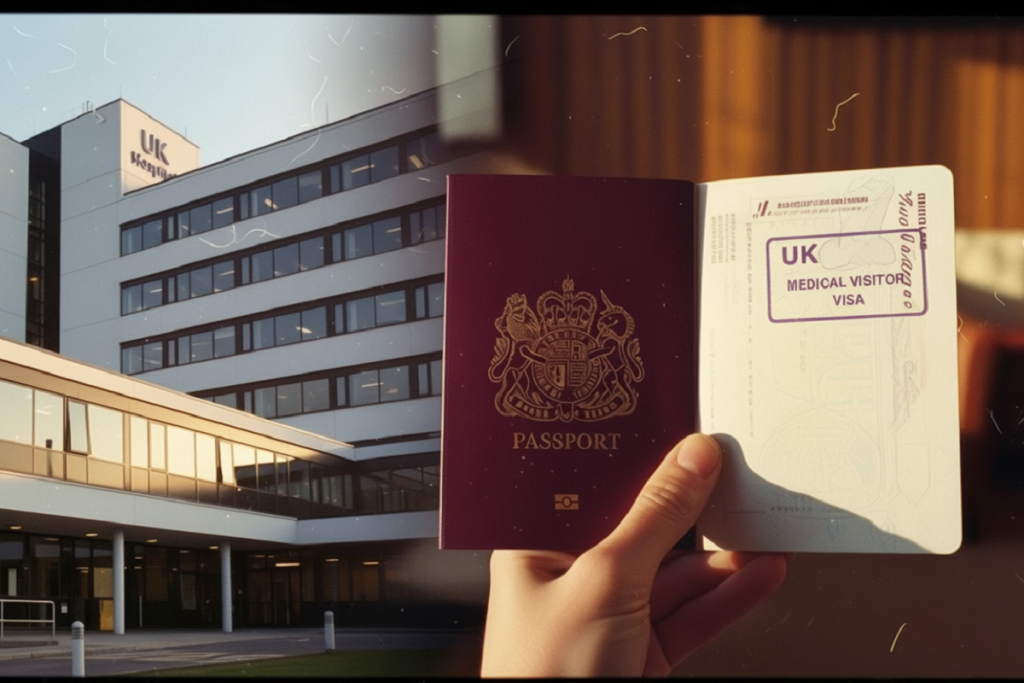
Traveling to the UK for private medical treatment requires a specific visa, which differs significantly from a general tourist visa. This is not a standard application; it’s a detailed process that demands a high degree of clarity and specific evidence to prove the genuine purpose of your visit. For individuals seeking medical care in Scotland, understanding these unique requirements is paramount to a successful application. This guide will provide clear, professional, and actionable advice, positioning JRI as the expert legal partner to help you navigate this complex visa route with confidence and precision.
The UK Visitor Visa for Private Medical Treatment
The visa for private medical treatment is a specialised route within the Standard Visitor visa category. It’s intended for individuals who need to visit the UK to undergo medical consultation or treatment. While it falls under the visitor umbrella, its requirements are far more specific than those for tourism or family visits. The Home Office needs to be fully convinced of your intentions and your ability to cover all associated costs.
What is the Medical Visitor Route?
The medical visitor route is for individuals who have a diagnosed medical condition and have made pre-arranged plans to receive private medical care in the UK. This can include consultations, diagnostic tests, or a full course of treatment. The visa is typically granted for an initial period of up to 6 months, or up to 11 months if a UK-registered medical practitioner confirms the treatment will take longer than 6 months.
The “Genuine Visitor” Requirement
A critical component of this visa is satisfying the “genuine visitor” requirement. You must convince the Home Office that your sole purpose in the UK is for medical treatment and that you will leave the country once it is complete. Caseworkers look for any signs that you might intend to live in the UK, work, or access public funds. Your application must present a clear, consistent, and credible picture of your visit and your intentions to return home.
Key Differences from Other Visitor Visas
While all visitor visa applications require proof of funds and a clear purpose, the medical route has additional, non-negotiable requirements. Unlike a tourist visa, which can be supported by a simple itinerary, a medical visa demands a formal letter from a UK-registered doctor and comprehensive financial evidence that is directly tied to the cost of your treatment. These additional layers of scrutiny are what set it apart and make expert guidance so important.
The Essential Eligibility Criteria
A successful medical visitor visa application hinges on meeting a specific set of eligibility criteria. This section provides a clear checklist to ensure you meet every legal requirement before you submit your application.
Pre-Arranged Medical Treatment
You cannot simply arrive in the UK with the intention of seeking care. You must have pre-arranged your medical treatment before you apply for the visa. This means you must have contacted a private medical institution in Scotland, had a consultation (either remotely or in person), and received a formal treatment plan. This pre-arrangement is a key piece of evidence that proves the legitimacy of your purpose.
The Requirement for a UK Doctor’s Letter
This letter is arguably the most crucial document in your entire application. It must be from a UK-registered medical practitioner who has assessed your case and is ready to oversee your treatment. The letter provides a crucial layer of credibility and professional confirmation that your visit is for a genuine medical purpose.
What the Letter Must Include
The letter must contain specific, detailed information for the Home Office. It should include:
- Your medical condition requiring consultation or treatment.
- The estimated cost of the treatment.
- The likely duration of your treatment.
- The location where the consultation or treatment will take place.
The Importance of a UK-Registered Medical Practitioner
The Home Office requires this letter to be from a UK-based doctor or a medical institution to confirm the legitimacy of the medical arrangements. This ensures that the treatment is genuine and that a qualified professional has assessed the need for your visit. It’s a measure to prevent fraudulent applications and provides a level of trust for the caseworker.
Financial Requirements: Funding Your Treatment and Stay
Another common reason for refusal is insufficient financial evidence. You must prove that you can cover all medical and living costs for the duration of your stay, without relying on public funds.
Proving You Can Afford All Costs
You must demonstrate that you have sufficient funds to pay for the entire cost of your treatment, as well as your living expenses and return journey. Evidence can include bank statements showing a consistent balance, payslips, or a letter from your employer. The Home Office will scrutinise your financial documents to ensure they are genuine and that the funds are available.
The Role of Sponsorship in Financial Evidence
If a family member or other third party is sponsoring your visit, their financial evidence must also be provided. This includes their bank statements, proof of their relationship to you, and a letter confirming their intention to cover all costs. The caseworker must be convinced that the sponsor’s funds are genuinely available and that they have the means to support both themselves and you during your stay.
Preparing Your Application Bundle for Success
Presenting a clear, well-organised application bundle is a simple but effective way to increase your chances of success. A caseworker needs to be able to easily find the information they are looking for to make a decision.
The Main Application and Supporting Documents
Start by assembling the core documents: your valid passport, the completed online application form, and all supporting evidence. Organise the documents logically, grouping them by category (e.g., medical evidence, financial evidence, and personal documents).
The Importance of a Cover Letter
A personal cover letter is an opportunity to provide a narrative for your application. Use it to summarise your medical condition, the purpose of your visit, and how you have met each of the visa requirements. This letter provides a clear roadmap for the caseworker and allows you to address any potential questions or complexities in your case.
A Checklist for Your Medical Treatment Visa
Before submitting, use a checklist to ensure nothing is missed:
- Passport with at least one blank page.
- Completed visa application form.
- UK doctor’s letter with all required details.
- Financial evidence proving you can cover all costs.
- Evidence of pre-arranged treatment (e.g., appointment confirmations).
- Any relevant medical records from your home country.
- A personal cover letter.
What to Expect on Arrival
Even with a visa, the final decision on entry rests with a UK Border Force officer. Being prepared for this final stage is key to a smooth entry into the country.
The Border Force Interview
A Border Force officer may conduct a brief interview to confirm the purpose of your visit. Be prepared to answer questions about:
- The purpose of your visit to the UK.
- The name and location of the hospital you’re visiting.
- How you’ve paid for your treatment.
- How long you plan to stay.
- Keep all your documents, especially the doctor’s letter and financial evidence, easily accessible to show the officer upon request.
Your Rights and Restrictions
While in the UK, a medical visitor is subject to specific restrictions. You are not allowed to work (paid or unpaid), get married or enter a civil partnership, or access public funds (including most NHS services). It is critical to adhere to these rules to avoid any issues with your visa.
Extensions for Ongoing Treatment
If your treatment takes longer than the initial visa duration, you may be able to apply for an extension from within the UK. To do this, you must show you have paid for all previous treatment and have the funds to pay for the future treatment and your continued stay. You will also need a new letter from your UK doctor confirming the need for an extension.
How JRI Immigration Lawyers Can Help
Applying for a medical visitor visa can be a complex process, and the consequences of a refusal can be severe. Our team of expert immigration solicitors at JRI is here to provide the support you need, ensuring your application is prepared and presented.
Our Expertise in UK Immigration Law
Our lawyers have an in-depth knowledge of UK immigration law, with a specific focus on the unique legal landscape of Scotland and Glasgow. We understand the nuances of the medical visitor visa route and are committed to providing you with accurate, professional, and reliable advice at every step.
Our Process for Medical Visitor Visa Applications
We assist clients in preparing a complete and accurate visa application. Our process includes:
- Initial Assessment: We review your specific situation to ensure you meet all eligibility criteria.
- Document Guidance: We provide a comprehensive checklist and advise you on how to best collect and present your supporting evidence.
- Application Preparation: We prepare your application, including a compelling cover letter, to maximise your chances of success.
Contact JRI for Professional Support
Your health and your future are too important to leave to chance. A medical visitor visa application can be complex, and a single mistake can lead to a refusal. Let our expert solicitors provide the professional support you need to ensure a successful outcome.