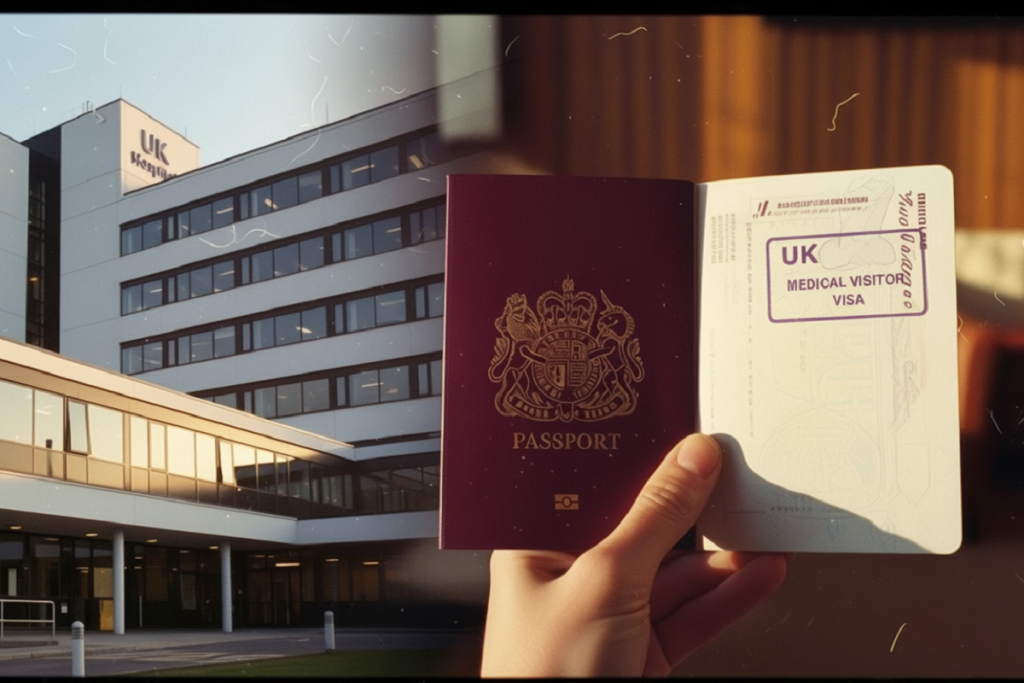
A medical visit to the UK is, by its very nature, a stressful and charged event. When a family member requires specialist treatment, the last thing anyone wants is to face the added anxiety of being separated due to a visa refusal. A medical visit visa application for a family is fundamentally different from a single person’s application; it is not simply a matter of each person filling out a form in isolation. It requires a planned and coordinated effort to ensure every application tells the same cohesive story and is backed by a consistent set of documents. Emphasising this unified approach is vital to ensuring the entire family receives the visa and can remain together during this critical time. This comprehensive guide will walk you through the key considerations and provide a detailed checklist to help your family prepare a robust and credible application. Our expert solicitors at JRI understand the sensitive nature of these cases and are committed to providing you with the peace of mind that comes from a well-prepared application.
UK Medical Visit Visa for Family Groups
Understanding the Purpose of the Medical Visitor Visa
The UK Medical Visitor Visa is part of the broader Standard Visitor Visa category, specifically designed for individuals who need to travel to the UK for private medical treatment. This includes receiving medical consultation, treatment, or organ donation. The visa is not a path to long-term residency but a temporary permit for the express purpose of receiving healthcare. Crucially, the visa is granted on the understanding that the treatment is private, and you are not a burden on the state. This means you must be able to prove that you can cover all costs, from your medical bills to your travel and living expenses, without recourse to public funds. The visa is also used for a person acting as an organ donor or accompanying a patient who needs medical care.
The Home Office requires clear and compelling evidence to satisfy them that this is a genuine medical visit. Without a comprehensive medical plan and solid financial proof, the application will not be successful. This is particularly true for families, where the Home Office must be convinced of the need for every family member to be present.
Why a Coordinated Application is Key for Families
While each family member must submit a separate application form, all applications should be consistent and linked together. Think of your family’s visa application as a symphony orchestra: every instrument must be in tune, and every musician must be playing the same sheet music. A cohesive narrative, where all family members tell the exact same story, is essential. Any shared information—from travel dates and accommodation plans to the purpose of the visit—must be identical across all forms.
Submitting a well-coordinated application prevents suspicion and potential refusal for one or more family members. If, for example, the patient states they will be staying in a hotel but an accompanying family member states they will be staying in a private rental, the Home Office will see this as an inconsistency and may doubt the sincerity of the entire application. A unified approach reassures the Home Office that the family’s intentions are genuine and that they have a single, shared purpose for their visit.
The Role of JRI in Family Visa Applications
Given the complexities and high emotional stakes of a medical visit, having an experienced legal partner is invaluable. JRI is a legal firm with extensive experience in family visa matters, and our expertise can help you navigate the complexities of coordinating applications for a family group. We understand the specific requirements for medical visitor visas and the importance of a cohesive narrative. Our team acts as a central point of contact, ensuring every application form is accurate, all documentation is consistent, and the entire family’s case is presented in the most robust way possible. We are here to provide the legal support you need so you can focus on the health and wellbeing of your family.
Eligibility and Requirements for Each Family Member
The Main Applicant Requirements
The main applicant is the person seeking medical treatment, and their application is the foundation of the entire family’s case.
Essential Medical Evidence
The Home Office requires a clear and compelling medical narrative to be convinced of the necessity of the visit. This includes:
- A letter from a UK-registered doctor or consultant that confirms your medical condition, the estimated cost of treatment, and the expected duration.
- A letter from a doctor in your home country that explains the nature of your condition and why the required treatment is not available there.
- Hospital records, diagnosis reports, and any other relevant medical documentation from your home country.
- A clear treatment plan from the UK medical facility.
- The medical evidence must be professional, detailed, and directly from the medical professionals involved. Vague or incomplete medical information is a common reason for refusal.
Financial and Accommodation Requirements
The patient must demonstrate they can cover all costs associated with their visit. This includes:
- Proof of funds: Bank statements from the patient’s personal or business account showing enough money to cover the treatment, travel, and living expenses for the entire family.
- Accommodation: Evidence of accommodation, such as a hotel booking, a rental agreement, or a letter from a friend or family member confirming they will provide a place to stay.
- Letters of support: If a third party is sponsoring the visit, they must provide a letter of support and their own financial documentation.
- The Home Office will scrutinise these documents to ensure the patient has the financial means to support themselves and their family without becoming a burden on the state.
Accompanying Family Members Requirements
Accompanying family members, such as a spouse, partner, or other relatives, must also satisfy the Home Office of their own eligibility. Their application is contingent on the patient’s, but they have their own set of requirements.
Proving Your Relationship to the Patient
You must provide documentary evidence to prove your relationship to the main applicant. This includes:
- Marriage or civil partnership certificates for spouses.
- Birth certificates for children.
- Photographs of the family together over a period of time to demonstrate a genuine and subsisting relationship.
- The more evidence you can provide to prove your relationship, the stronger the family’s applications will be.
Demonstrating Independent Financial Means
While the main applicant’s funds will be used to support the family, each accompanying family member must also show they have enough funds to support themselves without recourse to public funds. This can be done by providing:
- Personal bank statements showing a history of financial stability.
- A letter from your employer stating your salary and employment status.
- A letter from a sponsor if a third party is supporting you.
- This is a key part of the application, as it shows that each family member is a credible and genuine visitor.
Showing Intent to Leave the UK
The Home Office needs to be convinced that every family member intends to leave the UK at the end of the visit. You can demonstrate this by providing evidence of your strong “ties to your home country,” which can include:
- A letter from your employer confirming your leave and your return to your job.
- Proof of property ownership or a long-term tenancy agreement.
- Evidence of your family life in your home country, such as children in school or a dependent relative.
- The stronger your ties to your home country, the more persuasive your application will be.
The Coordinated Application Process
Filing Individual Applications with a Common Purpose
Every family member, including children, must complete their own visa application form. However, the purpose of the visit should be clearly and consistently stated across all forms as “accompanying a family member for medical treatment.” This unified narrative is crucial. While each form has its own questions, any questions that require a shared answer (e.g., travel dates, accommodation plans, reason for visit) must be answered identically.
Linking Your Applications with a Family Code
The UK Visa and Immigration system allows applicants to link their applications. You will be asked to provide the main applicant’s visa application reference number on all other family members’ forms. This is a crucial step that ensures the Home Office processes all the applications together as a family group. This linking process is a key part of showing the cohesion of your family’s applications.
The Importance of Consistent Information Across Applications
The smallest inconsistency can be a red flag. All details, from travel dates and accommodation addresses to the purpose of the visit, must be identical across all family members’ application forms. We strongly advise that you complete all the applications at the same time and have a final check to ensure all information is consistent before you submit them. An inconsistency, even a minor one, can raise a doubt about the genuineness of the applications and may lead to a refusal.
A Document Checklist for a Successful Family Application
Documents for the Main Applicant
- Valid passport or travel document.
- Completed visa application form.
- UK-registered doctor’s letter and medical evidence.
- Proof of funds to cover all costs (bank statements, sponsor letters).
- Accommodation details.
- Proof of ties to the home country (e.g., job letter, property deeds).
- A return flight ticket.
Documents for Accompanying Family Members
- Valid passport or travel document.
- Completed visa application form.
- Proof of relationship to the main applicant (marriage, birth certificates, photos).
- Proof of independent financial means (personal bank statements, employment letter).
- Proof of ties to the home country.
- A return flight ticket.
Specific Requirements for Children and Dependents
- Child’s birth certificate.
- A letter of consent from the absent parent, if one is not traveling.
- Proof of guardianship, if applicable.
- Their own passport or travel document.
- It is crucial that all documents not in English are accompanied by a certified translation.
Common Reasons for Refusal and How to Avoid Them
Insufficient Medical Evidence
A lack of detailed, professional medical letters is a common reason for refusal. The Home Office needs to be convinced that the treatment is necessary and that it cannot be obtained in the patient’s home country. Comprehensive documentation, including a clear treatment plan and cost breakdown from the UK medical facility, is essential.
Failure to Demonstrate a Genuine Visit
Inconsistencies in the application or a lack of ties to the home country can lead to doubts about the family’s intention to leave the UK. Any discrepancy between applications or a vague explanation of the family’s circumstances will be viewed negatively.
Gaps in Financial Support
Inadequate financial proof, or unexplained large deposits, can raise red flags and lead to refusal. The Home Office has strict rules on financial evidence, and all funds must be clearly documented and verifiable.
JRI: Your Legal Partner for Family Visit Visas
How Our Experts Can Assist with Your Family Application
At JRI, we understand the emotional and practical challenges of a medical visit visa. Our experts can assist you with:
- Document Review: We will review all your documents to ensure they meet the Home Office’s strict criteria.
- Consistency Check: We will ensure all family members’ applications are consistent and tell a single, cohesive story.
- Legal Advice: We will provide expert advice to strengthen your application, helping you to identify and provide the most persuasive evidence.
- Application Submission: We can guide you through the submission process, ensuring all fees are paid correctly and deadlines are met.
Our Commitment to Inclusive and Transparent Legal Services
We believe that every family deserves a chance to be together during a difficult time. Our commitment is to provide accessible, compassionate, and transparent legal advice to all our clients. We offer a supportive and non-judgmental environment, and our Glasgow-based solicitors are here to provide the expertise and peace of mind you need to secure your family’s future in Scotland.