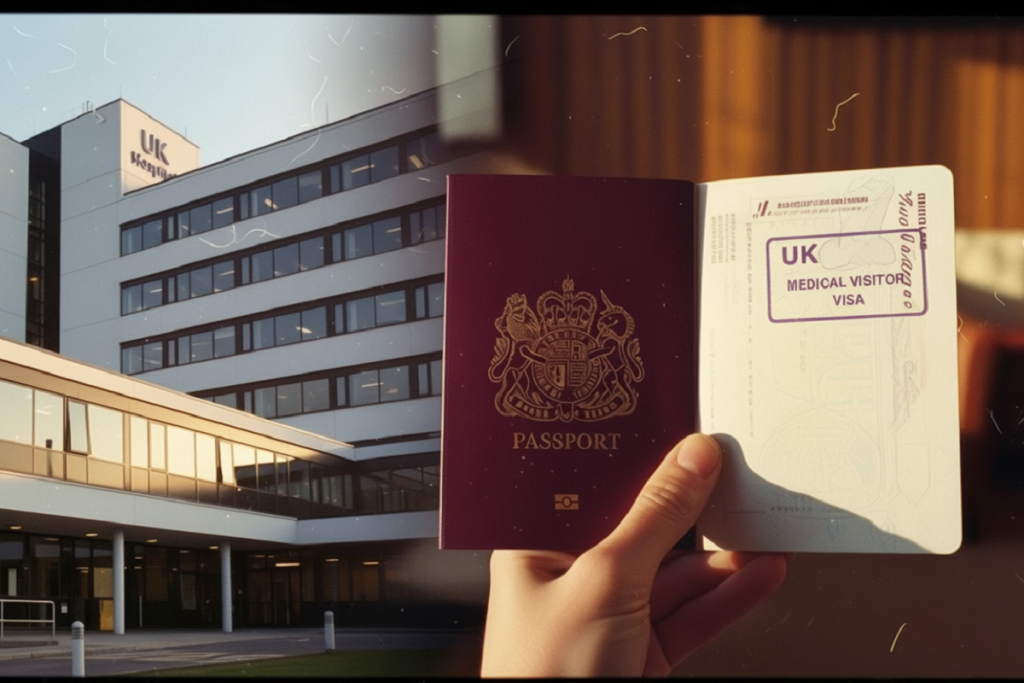
The letter medical professionals write on behalf of a patient is not a simple formality; it is a critical piece of evidence for the Home Office. A well-drafted, visa-compliant letter can be the difference between a patient receiving the timely care they need and facing a distressing visa refusal. This blog post is designed to empower Scottish healthcare providers with the knowledge to craft perfect letters every time, highlighting JRI’s expertise as a trusted partner in this niche area.
The Importance of a Visa-Compliant Letter
When an international patient applies for a Standard Visitor visa for private medical treatment, the Home Office needs a clear and verifiable reason for their visit. The letter from the treating clinic or hospital is the foundation of the patient’s application. It acts as an official endorsement from a credible source, confirming all the details of the patient’s medical needs, treatment plan, and financial arrangements. Without this letter, the application lacks a legitimate purpose and is highly likely to be rejected.
Why a Letter from the Clinic is Essential
The Home Office requires this letter for several specific reasons. First, it serves to confirm the genuine need for the medical treatment. Second, it proves that the treatment has been pre-arranged, which is a core requirement of the visa. Third, it provides an official estimate of the costs and duration, which allows the Home Office to assess the patient’s financial capacity to support themselves and their treatment without becoming a burden on the UK’s public services.
The Consequences of an Incomplete or Incorrect Letter
A poorly drafted letter, or one that is missing key information, can have severe negative outcomes. The most immediate consequence is a visa refusal for the patient, which can cause immense emotional and financial distress. A refusal can also delay crucial medical treatment, impacting the patient’s health. Furthermore, a refusal can create a negative immigration history for the patient, potentially making future visa applications more difficult. A professional, compliant letter is therefore not good practice—it is an act of care.
Key Elements of a Successful Medical Letter
A visa-compliant letter must be comprehensive, clear, and professional. It must address every point the Home Office requires, leaving no room for doubt. The following components are non-negotiable and must be included in every letter.
The Patient’s Personal Information
To ensure the letter can be cross-referenced with the patient’s official visa application, it must contain their personal details. This section establishes a clear link between the clinic’s letter and the individual patient.
Full name, date of birth, and nationality.
This information must be an exact match to the details on the patient’s passport and visa application form. Even minor discrepancies can cause delays or lead to a request for further information from the Home Office.
Details of the Medical Condition
The letter must provide a clear and professional description of the patient’s medical condition. It should be written in a way that is easy for a non-medical professional to understand, but with enough detail to justify the need for treatment in the UK.
A clear and concise description of the diagnosis.
The diagnosis should be stated plainly, followed by a brief, non-technical explanation of why the patient requires specialist treatment in the UK. This description must be compelling enough to justify the travel and the length of the proposed stay.
The Proposed Treatment Plan
This is a critical section that provides a clear roadmap of the patient’s time in Scotland. It must be detailed and realistic, giving the Home Office a full picture of the patient’s journey.
The nature, duration, and location of the treatment.
The letter must specify the exact name of the hospital or clinic where the treatment will take place. It should also state the nature of the treatment (e.g., surgery, a course of radiotherapy, consultation), a clear estimate of its duration, and the dates of any scheduled appointments. This provides a clear and verifiable itinerary for the Home Office.
Estimated Costs and Financial Arrangements
Financial information is one of the most heavily scrutinised aspects of a visa application. The Home Office needs concrete proof that the patient can cover the full cost of their medical care.
The total cost of treatment and how it will be paid.
The letter must state the total estimated cost of the treatment in UK pounds. It should also clarify the financial arrangements, such as whether the patient has already paid a deposit, paid the full amount upfront, or is sponsored by a government or third party. This proves that the treatment will not be a burden on UK public services.
Requirements for the Clinic and Medical Professional
The credibility of the letter is just as important as its content. The Home Office has specific requirements for the author and the format of the document to ensure it is authentic and reliable.
Who Should Write and Sign the Letter?
The letter must be from a registered medical professional at the clinic or hospital. The Home Office expects this to be a consultant who is directly involved in the patient’s care. The letter should be signed and dated by the medical professional to confirm its authenticity.
Official Letterhead and Contact Details
The letter must be printed on the official letterhead of the Scottish clinic or hospital. The letterhead should include the clinic’s full name, address, and verifiable contact details, including a phone number and email address. This allows the Home Office to confirm the letter’s authenticity if necessary.
The Statement of Public Health
As a standard requirement for this type of visa, the letter should include a statement confirming that the patient’s medical condition, particularly if it is communicable, does not pose a danger to public health in the UK. This is a crucial reassurance for the Home Office and a standard part of a compliant medical letter.
A Sample Template for a Visa-Compliant Letter
To help Scottish clinics and medical professionals, here is a simple, effective template that can be used to structure a visa-compliant letter. This format ensures all key information is included in a clear and logical order.
A Standard Format to Follow
This template is designed as a blueprint. It provides a clear, professional structure that addresses each of the Home Office’s requirements. By following this format, you can significantly reduce the risk of a visa refusal based on a poorly drafted letter.
Frequently Asked Questions for Clinics
Healthcare providers often have practical questions about this process. Here are answers to some of the most common concerns that arise.
What if the Patient’s Treatment is Extended?
If a patient’s medical treatment needs to be extended beyond the initial visa’s duration, the clinic will be required to write a new letter. This new letter must confirm that the treatment is ongoing, explain why an extension is necessary, and provide an updated estimate of the costs and duration. This allows the patient to apply for a visa extension from within the UK.
Can We Provide a Letter for a Companion?
Yes, you can and should. The companion’s visa application is linked to the patients. The clinic’s letter for the patient can include a statement confirming that a companion is necessary for their care. However, a separate, more detailed letter from the patient’s doctor or the clinic confirming the need for a companion is also highly recommended and can significantly strengthen the companion’s visa application.
How JRI Law Experts Can Assist You
The process of preparing a visa-compliant letter can be complex, and any errors could have profound consequences for a patient in need. At JRI, we are a trusted partner for Scottish healthcare providers, offering expert legal guidance on UK visa applications for private medical treatment. We help clinics and their international patients handling this intricate process with precision and care, ensuring that every detail is correct.
Providing Guidance to Scottish Healthcare Providers
Our team of expert solicitors can work with your clinic to advise on visa compliance, helping you create a standardised process for writing letters that meet all legal requirements. We can conduct training for your staff on the essential components of a visa-compliant letter, reducing administrative burden and ensuring your patients’ applications are as strong as possible from the outset.
Helping Your Patients with Their Visa Applications
In addition to supporting clinics, we work directly with patients to complete their visa applications. We use your professional letter as the foundation, but we also assist patients in gathering all other necessary documents, such as financial proof and proof of ties to their home country. Our goal is to ensure a comprehensive and prepared application that gives your patient the best possible chance of a successful outcome, allowing them to receive the world-class medical care you provide.