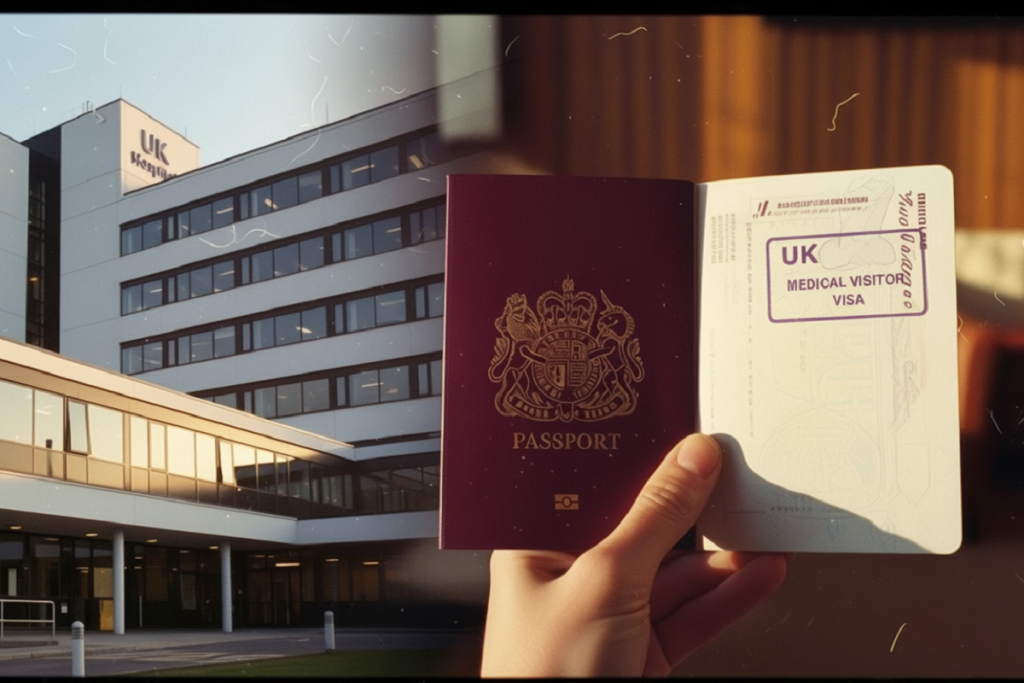
When you are planning to travel to the UK for private medical treatment, one of the most pressing questions is about timing. How long will the visa process take, and how far in advance do you need to apply? The answer is more complex than a simple number of days. A successful UK medical visa application depends not only on the Home Office’s processing time but also on your own preparation. A well-prepared application can save you from significant stress, costly delays, and even a refusal. At JRI Law, our solicitors provide expert legal guidance from the very start, helping you understand the entire timeline and streamlining the process to ensure you can focus on your health.
What is a UK Medical Visa?
A UK Medical Visa is a specific type of Standard Visitor Visa designed for individuals seeking private medical treatment in the UK. It is governed by a set of distinct rules that set it apart from other visitor visas.
Distinguishing a Medical Visa from Other Visitor Visas
While a medical visa falls under the broader category of Standard Visitor visas, it has unique requirements. Unlike a general visitor, a medical visa applicant must provide compelling evidence of a pre-arranged medical treatment plan in the UK. This goes beyond the general requirements of a visitor visa and includes specific documents from a registered UK medical professional. Furthermore, the applicant must demonstrate their financial capacity not only to cover their travel and living expenses but also the entire cost of their medical treatment and any related expenses. This visa category allows for a longer stay of up to 11 months, compared to the standard six months for other visitors, to accommodate the duration of treatment.
Who is This Visa For?
This visa is for individuals who have a diagnosed medical condition and have made prior arrangements to receive private medical consultation or treatment in the UK. This includes:
- Patients seeking a specific surgical procedure, a course of treatment, or a second opinion from a UK medical expert.
- Organ Donors, provided they are a family member or close friend of the recipient and have received prior approval from a licensed UK hospital.
- Individuals seeking a consultation, test, or diagnosis for a condition that may not be available or may be of a lower standard in their home country.
- The visa is not intended for individuals who plan to seek free treatment on the National Health Service (NHS), as visitors are generally required to pay for all medical services.
The Official Application Timeline: The Home Office Standard
The UK government’s visa processing agency, UK Visas and Immigration (UKVI), publishes service standards to give applicants a general idea of how long they can expect to wait for a decision.
The Standard Processing Time
The official service standard for most non-settlement visas, including the Standard Visitor visa, is typically three weeks (15 working days). This is the official benchmark, but it is not a guarantee. The Home Office states that 90% of non-settlement visa applications are decided within this timeframe. However, the actual processing time can be influenced by a wide variety of factors that are often outside of your control. It is crucial to be aware of this and not to make any non-refundable travel arrangements until you have received your visa.
When the Timeline Begins
A common mistake applicants make is assuming the clock starts ticking when they submit their online application. This is not the case. The official processing time begins on the date the applicant attends their biometrics appointment at a Visa Application Centre (VAC). This in-person appointment is a mandatory part of the process where you provide your fingerprints and a photograph. The date you attend this appointment marks the true start of the Home Office’s processing time.
A Realistic Timeline: Preparing Your Application
A successful UK Medical Visa application is a marathon, not a sprint. The real timeline for your application begins long before you even submit the online form. The preparation phase is the most critical part of the process and is where JRI Law can provide invaluable assistance.
Step 1: Securing Your UK Medical Treatment
This is the foundational step and must be completed before you can even begin the visa application.
Getting a Letter of Acceptance from a UK Hospital
You must obtain a formal, detailed letter of acceptance from a registered private UK hospital or clinic. This letter is the most important document in your application and must contain specific information:
- The name and address of the UK medical institution.
- The medical condition for which you are seeking treatment.
- The full treatment plan, including any planned procedures, consultations, and follow-up care.
- A clear estimate of the cost of the treatment and living expenses for your stay.
- The expected duration of the treatment and an estimated date of completion. This letter serves as proof that you have made a concrete arrangement and that your visit is for a genuine, temporary purpose.
Confirming Your Financial Arrangements
The Home Office must be satisfied that you have the financial means to pay for your medical treatment and your stay in the UK. Your application must be supported by clear, verifiable evidence of your financial capacity. This can include:
- Personal bank statements showing sufficient funds.
- A letter from a government sponsor or a medical charity.
- A letter from a family member or third-party sponsor, along with their bank statements and a clear explanation of their relationship to you and their financial commitment.
- A receipt for advance payment of all or part of the medical costs. This financial evidence must be prepared and must correspond with the cost estimates provided by the hospital.
Step 2: Gathering Your Supporting Documents
Once your medical arrangements are in place, the next phase is to compile all the required supporting documents. A complete and well-organised application is a significant factor in avoiding delays.
Required Documents Checklist
You will need to gather a comprehensive set of documents, including:
- Your valid passport (with at least one blank page for the visa vignette).
- The completed and signed online visa application form.
- The formal letter from the UK hospital.
- Evidence from your treating doctor in your home country confirming your diagnosis and explaining why you need UK treatment.
- Proof of your financial capacity, as outlined above.
- Evidence of your accommodation in the UK (e.g., hotel booking).
- Proof of your strong ties to your home country (e.g., employment letter, family responsibilities, property deeds) to demonstrate your intent to leave the UK after treatment.
Proof of Funds and Medical Costs
This is where many applications face delays or refusals. You must provide clear, verifiable evidence that you have access to the funds required to pay for your treatment and your living costs in the UK. The Home Office caseworker will carefully cross-reference your financial evidence with the cost estimates from the hospital. Any discrepancy or lack of clarity can raise a red flag. It is essential to ensure your bank statements are in your name, are recent, and show a consistent history of funds.
Step 3: Submitting Your Application and Biometrics
After you have prepared your documents, you will submit your application online and then attend a biometric appointment.
The online application is the first step, where you will fill in your personal details, travel history, and a detailed explanation of your purpose for visiting. Once the online form is submitted, you will be directed to book an appointment at a Visa Application Centre (VAC) in your home country. At this in-person appointment, you will provide your biometric information (fingerprints and a digital photograph) and submit your supporting documents. This appointment marks the official start of the Home Office’s processing timeline.
Factors That Can Influence Your Timeline
While the official service standard is a helpful benchmark, there are several factors that can significantly impact how quickly a decision is made on your application.
Priority and Super-Priority Services
- For applicants who require an expedited decision, the Home Office offers optional, paid-for services.
- Priority Service: For an additional fee, you can often get a decision within 5 working days.
- Super-Priority Service: Where available, this premium service can get you a decision by the next working day for an even higher fee. These services are not always available and are typically for non-complex cases. They can be a lifeline for urgent medical cases, but you must ensure your application is perfect, as a refusal could still happen.
Common Reasons for Delays
The majority of delays are caused by issues within the application itself, which could have been avoided with proper preparation. Common reasons for delays include:
- Missing Documents: Failing to provide a required document, such as a letter from your home country doctor or sufficient financial evidence.
- Inconsistencies: Discrepancies between the information provided on your online form and your supporting documents.
- Request for Further Information: The Home Office caseworker may need to contact you or a third party to verify information, which can add significant time to the process.
- Need for an Interview: In some cases, the Home Office may require you to attend a face-to-face interview to clarify details of your application, which will extend the timeline.
Applying from a High-Demand Country
The volume of applications from a specific country can also affect processing times. During peak seasons or from countries with a large number of applicants, there may be backlogs that cause even straightforward applications to take longer than the standard three weeks.
JRI Law: Your Legal Partner for a Smooth Application
A UK Medical Visa application is a complex legal and administrative process that carries significant weight. Navigating it without professional guidance can lead to unnecessary delays and even a visa refusal.
Our Expertise in Medical Visa Applications
At JRI Law, our solicitors in Glasgow specialise in UK immigration law and have extensive experience handling sensitive medical visa applications. We understand the unique requirements of this visa category and know exactly what the Home Office caseworkers are looking for. We approach each case with the utmost professionalism and empathy, providing tailored advice that addresses your specific medical and personal circumstances.
How We Can Assist You
Our legal assistance is designed to streamline your application and provide you with peace of mind. We will:
- Review your documents to ensure they meet the Home Office’s strict standards.
- Provide clear, professional advice on how to strengthen your application, particularly regarding proof of funds and ties to your home country.
- Help you prepare your online application, ensuring all information is accurate and consistent.
- Advise you on your options and the risks involved with priority services and potential delays.
- Do not allow the complexities of the visa process to add to your health concerns. By engaging JRI Law, you gain a trusted legal partner committed to ensuring your application is prepared to the highest standard, allowing you to focus on what matters most: your health. Contact us today for a consultation.