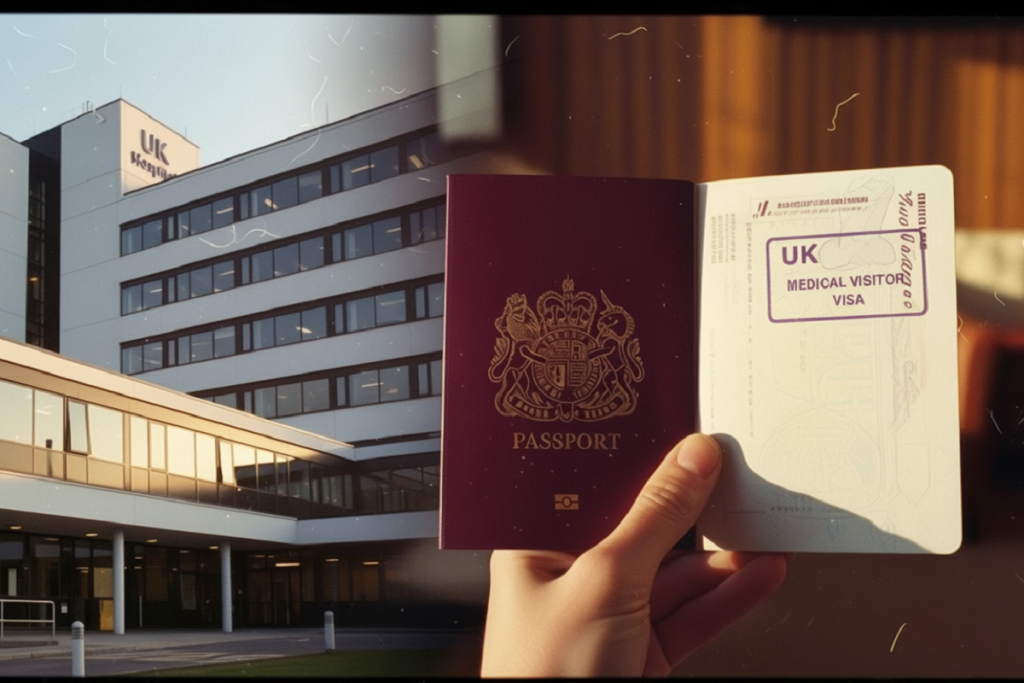
For many people, the UK Medical Visitor Visa is a vital pathway to accessing specialist healthcare. A common misconception is that the visa application only requires proof of funds for the medical treatment itself. A successful application requires demonstrating that you have sufficient funds to cover all aspects of your trip, from the moment you arrive in the UK until the day you depart. The Home Office needs to see a comprehensive and detailed budget that proves you can support yourself without recourse to public funds. Our team at JRI in Glasgow specialises in helping clients create these detailed financial plans, ensuring their visa application presents a complete and convincing case.
Broader Costs of a UK Medical Visit
The Medical Visitor Visa and Financial Requirements
The Medical Visitor Visa is specifically for individuals who need to come to the UK for private medical treatment. A core requirement of this visa is that you must prove you can cover all associated costs yourself. This includes the medical treatment, as well as your living expenses and travel. The Home Office must be satisfied that you have access to a bank account with sufficient funds to cover your entire stay, as you are not permitted to work or rely on public funds while in the UK. This financial evidence is non-negotiable for a successful application.
The Importance of a Complete Budget
A detailed budget is a powerful tool in your visa application. It transforms a simple bank statement into a coherent financial plan. By breaking down your expected expenses for accommodation, daily living, and travel, you demonstrate to the Home Office that you have thought through every aspect of your visit. This level of planning shows you are a responsible and genuine visitor with the means to support yourself, which directly addresses one of the Home Office’s key concerns: that a visitor may overstay or become a burden on the state.
Introducing JRI’s Inclusive Approach to Legal Support
At JRI, we believe in a holistic and inclusive approach to legal support. We don’t just handle the legal paperwork; we help you with all the practical aspects of your application. We understand that financial planning can be overwhelming, especially when you are also focused on a medical issue. Our commitment is to help you build a comprehensive case that includes a realistic and well-documented budget, ensuring your visa application is as strong as it can possibly be.
Breaking Down the Key Expenses
Accommodation Costs in the UK
Short-Term vs. Long-Term Stays
The cost of accommodation in the UK can vary significantly depending on the length of your stay. For short-term visits (less than a month), hotels or serviced apartments are common options, with prices in a city like Glasgow ranging from £80 to £200 per night depending on location and quality. For longer-term stays (over a month), a private rental might be a more cost-effective option. The average rent for a one-bedroom flat in Glasgow is approximately £800 to £1,200 per month, excluding utilities. This is a crucial distinction to make when building your budget.
Glasgow-Specific Accommodation Options and Prices
When budgeting for Glasgow, it’s helpful to have a clear idea of the prices. A comfortable, centrally located serviced apartment might cost around £100 to £150 per night, while a bed-and-breakfast could be closer to £80 per night. For longer-term visitors, private rentals are a popular choice. In Glasgow’s city centre, a one-bedroom apartment might rent for £900 per month, while in the West End, a popular student area, prices can be slightly higher. These figures should be used to create a realistic and verifiable accommodation budget.
Daily Living Costs
Food, Transport, and Utilities
Your daily expenses will also be under scrutiny. A realistic estimate for daily living costs in Glasgow is essential. You should budget for:
- Food: Approximately £25 to £40 per day, depending on whether you cook for yourself or eat out.
- Public transport: A weekly subway or bus pass can cost around £20-£25, while individual trips are around £2.
- Utilities: For longer stays in a private rental, you must factor in costs for electricity, gas, and internet, which can add up to £100-£150 per month.
- Factoring in these specific, verifiable costs demonstrates a strong grasp of the financial realities of your visit.
Personal and Unexpected Expenses
It is easy to overlook smaller, yet important, costs. In your budget, you should include a contingency for miscellaneous expenses. This can cover items such as toiletries, clothing, over-the-counter medicine, and a local SIM card or mobile phone plan. It’s also wise to allocate a small amount for unexpected expenses, as these can and do arise. A well-rounded budget shows you have considered all potential costs.
Travel and Flight Costs
The Return Ticket Requirement
A mandatory requirement for all visitor visas is that you must show a clear intention to leave the UK at the end of your visit. The best way to demonstrate this is by having a pre-booked return ticket. The cost of this ticket for you and any accompanying family members must be included in your budget and financial evidence. Not having a return ticket can be a red flag for the Home Office and may lead to a refusal.
Budgeting for Flights to and from the UK
When planning your budget, you must accurately calculate the cost of flights for the entire family. Flight prices vary widely, so you should obtain quotes or pre-book flights well in advance. Your financial evidence must be sufficient to cover these costs in addition to all your other expenses. Having this information ready helps to build a credible and robust visa application.
Proving You Can Afford the Trip
The Evidence the Home Office Requires
To prove you have the necessary funds, the Home Office requires specific financial evidence. This typically includes:
- Bank statements: Showing a consistent flow of money and that the required funds have been in your account for a specific period, usually at least three months.
- Pay slips: From your employer, showing your income.
- Letters of employment: Confirming your salary and position.
- Savings certificates: If you are using savings to cover the costs.
- All documents must be originals or certified copies and, if not in English, translated by a certified translator.
Financial Sponsorship and Supporting Documentation
If a third party (a family member, friend, or institution) is covering your costs, they must provide a letter of support clearly stating their commitment. Crucially, they must also provide the same financial evidence you would provide yourself. This includes their bank statements, pay slips, and a letter of employment. Without this evidence, the Home Office will not accept a sponsorship arrangement and will likely refuse the application.
JRI: Your Legal Partner in Financial Planning and Legal Support
How Our Experts Can Assist You with Your Visa and Budget
At JRI, our legal experts go beyond traditional legal support. We can help you create a realistic and comprehensive budget for your medical visit. We will work with you to gather the correct financial evidence and present it clearly and convincingly to the Home Office, ensuring it tells a consistent story. From reviewing your bank statements to helping draft a letter of support from a sponsor, we provide the detailed assistance you need to ensure this crucial aspect of your application is flawless.
Our Commitment to Inclusive and Transparent Legal Services
We understand that a medical visa application, especially when combined with health concerns, can be a time of immense stress. At JRI, we provide accessible, transparent, and compassionate legal services to all our clients. We will explain every step in plain language, without legal jargon, and provide you with a clear roadmap for your application. Our commitment is to ensure you feel supported and confident, knowing that your application is in expert hands.